
1
Choose one of three scenes
Roadster Ramp is the car-only template. Make My Car Fly and Boost Over Traffic include a person, so those scenes ask for two photos.
Turn one or two photos into a prepared flying car video. Three cinematic scenes, one clean workflow, no timeline editing.
Pick a scene first. Roadster Ramp needs one car photo; the other two templates need a person photo and a car photo.
Pick a scene, add the photos it asks for and render a finished vertical clip. There is no prompt to write and no timeline to assemble.
Roadster Ramp is the car-only template. Make My Car Fly and Boost Over Traffic include a person, so those scenes ask for two photos.
Use a whole-car shot for every template. For a person-plus-car scene, add one clear photo of the person who should appear.
Choose 480P, 720P or 1080P, confirm the credit cost and generate. The finished clip can be previewed and downloaded from the same panel.
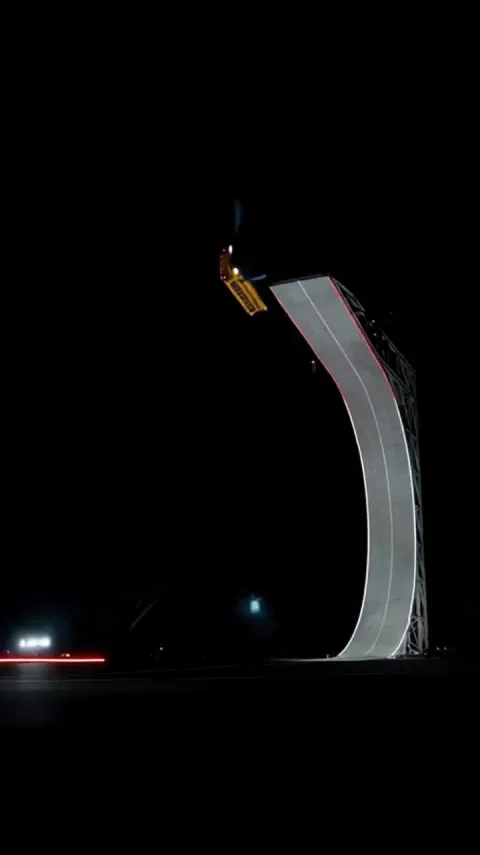
Roadster Ramp gives you a night ramp launch with a curved ascent and smoky landing. Make My Car Fly uses a golden-hour driveway and a person walking to the vehicle. Boost Over Traffic places the action in a crowded freeway. Each template has its own prompt and input count, so the experience changes with the scene instead of pretending every idea needs the same photo.
The uploaded vehicle supplies the body shape, paint, wheels, lights and stance. The template supplies the camera move, atmosphere and action, which keeps the result coherent without making the car look like a generic stock model.
Roadster Ramp has no person and asks for one car photo. The other two scenes use a person as part of the story, so both slots are required before the generator can start.
A night-time stunt ramp launch with a full ascent, airborne flip and smoky landing. One car photo is enough.
A golden-hour driveway lift-off. The person walks to the car, gets in, and the vehicle rises on twin thruster plumes.
A crowded freeway escape. The driver fires the thrusters, lifts over the lane and leaves the traffic behind.
Every source template is 9:16, which keeps the action framed for TikTok, Reels and Shorts. Auto follows the source clip; the other ratios remain available for alternate placements.
The selected template remains the motion reference while the output canvas follows the selected format.
Each template carries its own prepared direction, and nothing copyable is shown in the interface. Roadster Ramp asks for one car photo. Make My Car Fly and Boost Over Traffic ask for a person and a car. Choose the scene, add the inputs it requests and generate. If you came from a tutorial about a flying car AI video prompt or a CapCut flying car edit, this workflow removes the paste-and-hope step and keeps the motion attached to the scene.
The difference is not more settings. It is a clear subject, a readable action and a frame that matches where the clip will be posted.
A convincing car fly AI video starts with a simple visual promise. The viewer should understand the car, the location and the action within the first second. Roadster Ramp does that with a floodlit curve and a single vehicle. Make My Car Fly does it with a driveway, a person and a warm evening sky. Boost Over Traffic does it with a red car boxed into a long line of traffic. Each scene gives the eye one place to land before the motion begins.
That is also why the three templates use different prompts. A roadster ramp video needs a precise ramp climb, airborne rotation and landing beat. A driveway lift needs a person, a door, a seated position and a vertical rise. The freeway scene needs the driver, the surrounding traffic, the thruster ignition and the move over the lane. Reusing one generic description would flatten those differences. The template system keeps the important motion with the right scene.
The flying car AI category is full of tutorials that ask you to paste a long description into a general tool and hope the camera, lighting and vehicle stay consistent. A prepared template narrows the problem. You choose the scene, supply the right subjects and keep the editing decisions out of the loop. That is the practical appeal of a car fly AI video generator: it makes a recognisable format repeatable without asking every user to become a motion designer.
A front three-quarter photo shows the nose, side profile and wheels at the same time. Clean daylight or soft garage light usually reads better than a heavy night filter. Keep the entire vehicle in frame and remove distracting objects from the crop.
A car-only scene needs no person. A person-plus-car scene needs one clear face and one clear vehicle. Supplying the right pair is more useful than adding extra photos the scene did not request.
The template is already composed for 9:16. Auto is the safest choice because it follows that frame instead of forcing a landscape crop onto a portrait action shot.
480P is a low-cost test, 720P Standard is the practical social default and 1080P Pro is for a more detailed final export. The credit cost is visible before the task starts.
The best results come from clean source images, the correct input count and a realistic expectation of what a prepared scene can preserve.
Use a recent, unobstructed portrait with one person in frame. Avoid sunglasses, heavy beauty filters and extreme angles. The person should be visible from the shoulders up at minimum.
Use one vehicle, the whole body in frame and a clean background. A front three-quarter angle is the most informative because it shows the front fascia, the side and the wheels together.
The location, lighting, camera move and timing come from the selected clip. Your photos supply the subjects, not the set. Choose the template whose finished scene already matches the story you want.
CarFly AI is a car fly AI video generator for creators who want the flying car look without building a timeline. Choose a prepared scene, add the photos it asks for, and render a vertical clip. Roadster Ramp needs one car photo. Make My Car Fly and Boost Over Traffic need a person photo and a car photo. Each scene has its own pace, lighting and camera move, so the finished video feels intentional instead of assembled from a generic prompt.
The flying car AI format has moved quickly from visual effects forums into short-form video. You have probably seen a roadster kickflip, a driveway lift-off or a commute where one car rises above the traffic. Some people search for ai car fly, while others look for a roadster flying video; both describe the same fantasy of a familiar car leaving the road behind. This car fly AI generator turns those ideas into repeatable templates. You do not need to describe the ramp, the golden-hour driveway or the crowded freeway. The scene already contains those production decisions. Your photos supply the subjects, and the template keeps the action readable.
That structure also makes the tool easier to use than a general AI flying car video workflow. A general tool leaves location, camera movement and timing to a text description. Here the output starts from a real motion reference. The camera stays locked to the action, the lighting stays consistent, and the car remains the visual anchor. If you searched for a car fly AI video prompt, this is the no-prompt alternative: upload the right photos, choose a template, set the resolution and generate. The prompt stays inside the product and never becomes another block of text for you to paste.
The three scenes cover different moods. Roadster Ramp is a night-time stunt launch with a curved ramp and a smoky landing. Make My Car Fly is a golden-hour driveway take-off with a person walking to the vehicle before it lifts. Boost Over Traffic is a daylight escape from a packed freeway. Together they cover the news-driven roadster ramp fantasy, the classic driveway reveal and the evergreen stuck in traffic idea. The result is a compact car fly AI video generator that works for a quick social post, a concept clip or a personal project.
A practical guide to the three scenes, the flying car trend and the right photos for a cleaner render.
Common questions about the CarFly AI video generator, its three templates and the photos each scene needs.
Need help with credits, a failed generation or a paid order? Contact support.
Choose Roadster Ramp, Make My Car Fly or Boost Over Traffic, then add the photos the scene needs.